-
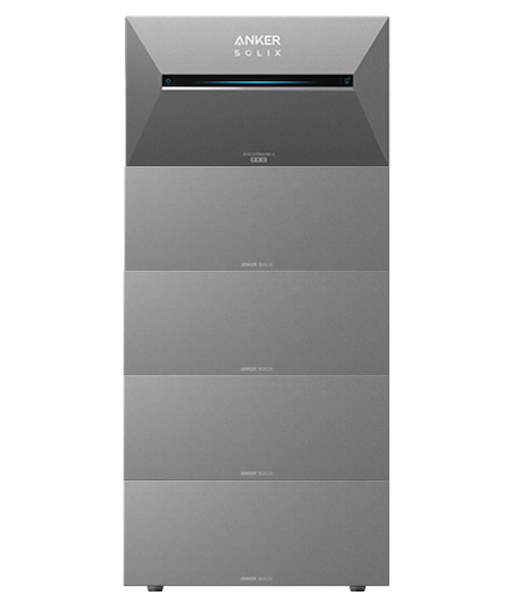
Anker SOLIX Solarbank 3 E2700 Pro: Plug-and-Play Storage with 3600W PV Input and 10.752 kWh Storage Capacity
Vendor:Anker SolixIn stock€3.631,21 incl. VATRegular priceUnit price per -
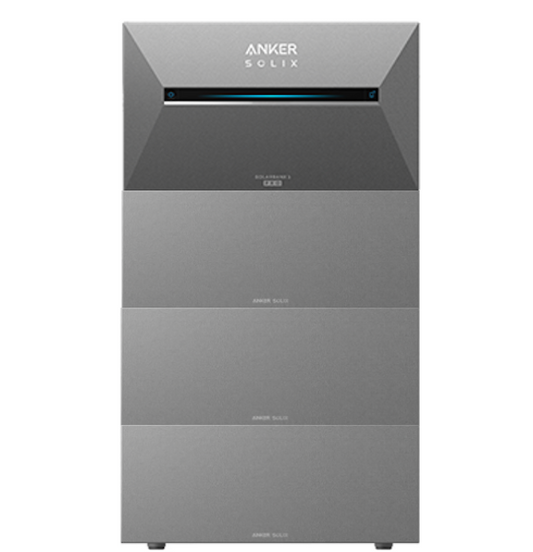
Anker SOLIX Solarbank 3 E2700 Pro: Plug-and-Play Storage with 3600W PV Input and 13.44 kWh Storage Capacity
Vendor:Anker SolixIn stock€4.492,73 incl. VATRegular priceUnit price per -
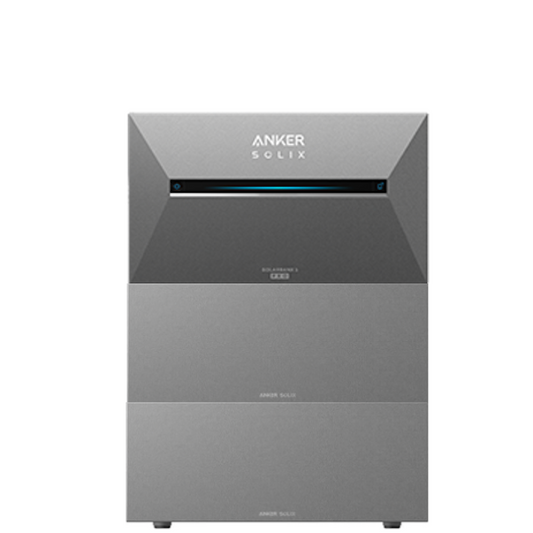
Anker SOLIX Solarbank 3 E2700 Pro: Plug-and-Play Storage with 3600W PV Input and 8.064 kWh Storage Capacity
Vendor:Anker SolixIn stock€2.769,69 incl. VATRegular priceUnit price per -
BYD Battery-Box HVB 11.8 (11.88kWh) Home Battery
Vendor:BYD Lithium Battery Co., LtdOnly 2 left€5.267,13 incl. VATRegular priceUnit price per -
BYD Battery-Box HVB 14.8 (14.85 kWh) Home Battery
Vendor:BYD Lithium Battery Co., LtdOnly 2 left€6.448,09 incl. VATRegular priceUnit price per -
BYD Battery-Box HVB 8.9 (8.9kWh) Home Battery
Vendor:BYD Lithium Battery Co., LtdIn stock€4.086,17 incl. VATRegular priceUnit price per -
BYD Battery-Box HVM+ 11.0 (11.04kWh) Home Battery
Vendor:BYD Lithium Battery Co., LtdIn stock€4.520,56 incl. VATRegular priceUnit price per -
BYD Battery-Box HVM+ 13.8 (13.8kWh) Home Battery
Vendor:BYD Lithium Battery Co., LtdIn stock€5.515,18 incl. VATRegular priceUnit price per -
BYD Battery-Box HVM+ 8.3 (8.28kWh) Home Battery
Vendor:BYD Lithium Battery Co., LtdIn stock€3.525,94 incl. VATRegular priceUnit price per -
 Soon back in stock
BYD Battery-Box HVS+ 10.2 | High-Voltage Home Battery
Vendor:BYD Lithium Battery Co., LtdOut of stock€4.244,68 incl. VATRegular priceUnit price per -
 Soon back in stock
BYD Battery-Box HVS+ 12.8k | High-Voltage Home Battery
Vendor:BYD Lithium Battery Co., LtdOut of stock€5.170,33 incl. VATRegular priceUnit price per -
BYD Battery-Box Premium LVS 12.0 (48V Low-Voltage System)
Vendor:BYD Lithium Battery Co., LtdOnly 1 left€4.128,52 incl. VATRegular priceUnit price per -
BYD Battery-Box Premium LVS 16.0 (16 kWh 48V System)
Vendor:BYD Lithium Battery Co., LtdOnly 1 left€5.332,47 incl. VATRegular priceUnit price per -
BYD Battery-Box Premium LVS 8.0 (48V Low-Voltage System)
Vendor:BYD Lithium Battery Co., LtdOnly 1 left€2.924,57 incl. VATRegular priceUnit price per -
Dyness Powerbox G2 10.24kWh LiFePO4 Home Battery
Vendor:DynessIn stock€1.718,20 incl. VATRegular priceUnit price per -
 Soon back in stock
Dyness Powerbox G3 10.24kWh LiFePO4 Home Battery
Vendor:DynessOut of stock€1.766,60 incl. VATRegular priceUnit price per -
Dyness PowerBrick Plus 16.07 kWh Home Battery
Vendor:DynessIn stock€1.905,75 incl. VATRegular priceUnit price per -
Dyness Stack 280 HV Battery Module 14.34 kWh
Vendor:DynessIn stock€1.663,75 incl. VATRegular priceUnit price per -
Dyness Tower Pro TP11 – 11.52 kWh HV Home Battery
Vendor:DynessIn stock€2.689,83 incl. VATRegular priceUnit price per -
Dyness Tower Pro TP15 – 15.36 kWh HV Home Battery
Vendor:DynessIn stock€3.433,98 incl. VATRegular priceUnit price per -
Pylontech Force H2 10.65kWh Home Battery (3 Modules)
Vendor:Pylon Technologies Co., LtdIn stock€3.100,02 incl. VATRegular priceUnit price per -
Pylontech Force H2 14.21kWh Home Battery (4 Modules)
Vendor:Pylon Technologies Co., LtdIn stock€3.945,81 incl. VATRegular priceUnit price per -
Pylontech Force H3 10.24kWh High-Voltage Home Battery (2 Modules)
Vendor:Pylon Technologies Co., LtdIn stock€2.585,77 incl. VATRegular priceUnit price per -
Pylontech Force H3 15.4kWh High-Voltage Home Battery (3 Modules)
Vendor:Pylon Technologies Co., LtdIn stock€3.590,07 incl. VATRegular priceUnit price per
Excellent choice! Product added.
View cart
Rebor B.V. — Solar expertise since 2008