All Home Batteries

Home batteries store the solar power you generate during the day so you can use it yourself in the evening and at night, instead of exporting it to the grid for a low feed-in rate. This overview shows the full Rebor range: low-voltage batteries (48 V) and high-voltage systems (HV) from BYD, Dyness, Pylontech, Solis Storage and Anker SOLIX, from a plug-in battery of around 2.7 kWh to modular systems of more than 35 kWh per tower.

Capacity in kWh is only part of the choice. Just as decisive are the inverter (single or three-phase, LV or HV battery input), the charge and discharge power, expandability and the installation location. Choose the system architecture first and the capacity second. Each product page then lists the exact specifications and system requirements.

System selection

How large should your home battery be?

A battery that is too large is rarely full; one that is too small is empty every evening. Rule of thumb: size it on your evening and night-time consumption and the solar surplus on an average day, not on your annual consumption. The most popular sizes are a 10 kWh home battery for an average home and a 20 kWh home battery with a heat pump or EV charger. The battery calculator gives a well-founded first estimate within a minute.

Start the battery calculator →

Home batteries by brand and series: from 48 V to scalable HV systems

Every series in this overview uses LiFePO4 cells (lithium iron phosphate), the standard chemistry for residential storage thanks to its thermal stability and long cycle life. The main difference lies in the system architecture.

Overview of the current home battery range
Brand and series Architecture Capacity in range Typical application
BYD Battery-Box Premium LVSLow voltage (48 V)4 to 24 kWhHomes with a 48 V hybrid inverter, modular in 4 kWh steps.
BYD Battery-Box HVS+, HVM+ and HVBHigh voltage5.1 to 29.7 kWhHV systems for homes and small businesses; HVS+ compact, HVM+ and HVB for larger capacities.
Dyness PowerBrick, Powerbox and DL seriesLow voltage (48 V)5.12 to 16.07 kWh per unitCompact LV storage for wall or floor mounting, expandable in parallel.
Dyness Tower Pro and StackHigh voltage, modular7.68 to 23.04 kWh (Tower Pro); Stack modular per towerResidential HV storage up to large homes and small commercial projects.
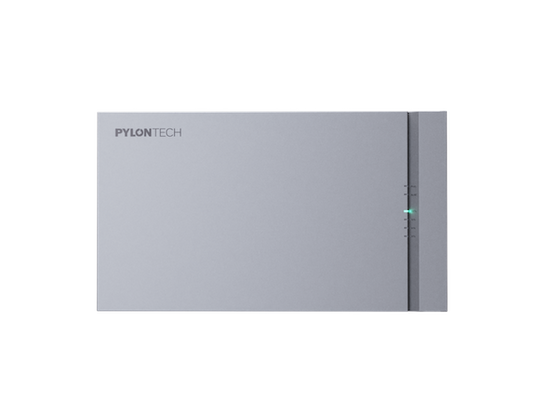
Pylontech US5000 and Fidus PROLow voltage (48 V)4.8 and 5.12 kWh per moduleRack or wall installation with a widely used 48 V battery standard.
Pylontech Force H2 and Force H3High voltage, stackable7.1 to 35.8 kWhStackable HV towers, also available as a set with the Pylontech FH3X inverter.
Solis Storage IntelliHome and FlexHomeLow and high voltage5 to 16 kWhMatched to Solis hybrid inverters: one supplier for battery and inverter.
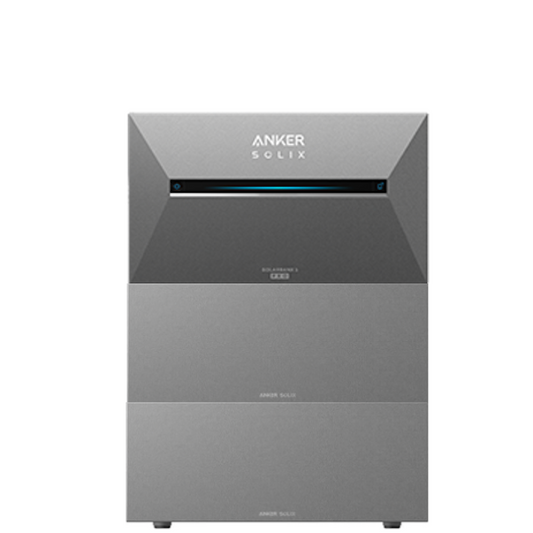
Anker SOLIX X1 and Solarbank 3All-in-one hybrid system / plug-in5 kWh modules (X1); 2.7 to 16.1 kWh (Solarbank)X1: complete inverter-battery combination. Solarbank: plug-in battery without changes to the meter cupboard.

Important: this table is intended for an initial system choice. Power, dimensions, weight, protection rating, cycles, warranty and maximum expansion are listed on each product page and in the official manufacturer documentation.

Low voltage, high voltage or plug-in: which system type suits you?

Decision matrix at system level
Starting point Logical first direction Then check
Average home, around 3,000 to 5,000 kWh annual consumption10 kWh home battery, low or high voltageEvening and night-time consumption, phase connection and the inverter's battery input.
Heat pump, electric car or large household from around 6,000 kWh20 kWh home battery, usually high voltage with a three-phase inverterRequired charge and discharge power and the inverter voltage window.
You have or choose a 48 V hybrid inverter (e.g. Solis S6-EH1P-L)Low voltage: BYD LVS, Dyness LV, Pylontech US5000 or Fidus PROCharge and discharge current, battery profile, communication and number of modules.
Three-phase connection with an HV hybrid inverterHigh voltage: BYD HVS+/HVM+/HVB, Dyness Tower Pro or Stack, Pylontech ForceInverter voltage window, modules per tower and required power.
New system, preference for one brand for inverter and batteryAnker SOLIX X1, Solis + Solis Storage or Pylontech FH3X + Force H3Phase connection, backup requirements, expansion space and monitoring.
Existing solar panels, no new inverter wantedPlug-in: Anker SOLIX Solarbank 3, or AC-coupled via a battery chargerExport power, grid connection and the rules of your grid operator.
High consumption, heat pump, EV charger or commercial buildingScalable HV systems such as BYD HVB, Dyness Stack or Pylontech Force H3Required power, placement, floor load and parallel configuration.
Please note: low-voltage and high-voltage batteries are not interchangeable. A battery may look attractive in kWh and still be unsuitable for the battery input of your inverter.

Compatibility: battery, inverter and communication must work as one system

A home battery only works properly when the exact battery model and the exact inverter model are officially approved for each other. A shared CAN or RS485 protocol alone is not enough.

  • LV or HV: choose a battery that matches the battery input of the hybrid inverter.
  • Voltage window: for HV systems, the number of modules must fall within the permitted battery voltage range of the inverter.
  • Firmware and battery profile: compatibility can depend on firmware version, protocol choice and settings.
  • System components: many series require a specific BMS/BDU, base, energy meter or combiner box.
  • Expansion: the battery's maximum configuration does not automatically tell you how much your inverter supports.

Not sure? See our battery and inverter compatibility page or have your combination checked before you order.

Why a home battery now?

In the Netherlands, net metering ends on 1 January 2027. Exported solar power will then usually earn much less than power you use yourself. A battery increases self-consumption and lets you take advantage of dynamic energy tariffs. In Belgium, the capacity tariff rewards flattening peak demand. Which strategy is feasible depends on the inverter, energy metering and energy management system. Read more in our article on the end of net metering in 2027.

High-voltage systems and fixed connections in the meter cupboard must only be installed by qualified installers, in accordance with the manufacturer documentation and applicable installation regulations.

Frequently asked questions about home batteries

How many kWh of battery storage do I need?

For an average Dutch household with solar panels, a sensible capacity is often between 5 and 15 kWh. The right value depends on your evening and night-time consumption, the solar surplus, a heat pump or EV charger and your tariff strategy. Read how to determine the capacity or use the battery calculator.

What is the difference between a low-voltage and a high-voltage battery?

A low-voltage battery operates at around 48 V and is expanded in parallel; a high-voltage battery connects modules in series up to a system voltage of several hundred volts. HV systems handle higher power at lower currents and are often combined with three-phase inverters. The battery input of your inverter determines which architecture fits.

Can I expand a home battery later?

Most series in this overview are modular, but the rules differ per series. Stay within the same product family and generation and check the maximum configuration of both battery and inverter.

Does a home battery work with my existing solar panels?

Yes, in several ways: by replacing the existing inverter with a hybrid inverter, by AC coupling with a battery charger alongside the existing inverter, or with a plug-in solution such as the Anker SOLIX Solarbank 3. The best route depends on the age of your inverter and your grid connection.

Does a home battery provide backup power during an outage?

Only if the inverter has a backup or EPS function and it is connected correctly. Some systems then supply a few circuits, others the whole house via a backup box. Check this per inverter.

Does Rebor B.V. sell to homeowners and installers?

Yes. Rebor B.V. supplies homeowners as well as installers and business partners. Installers can register for business terms via the installer registration.

Choosing your home battery

Not yet sure which battery technically matches your inverter and consumption? Use the battery calculator for a first estimate, or have the combination of battery, inverter and system architecture checked before you order.